Showing posts with label Famous Malaysian cuisines. Show all posts

Monday, May 15, 2017

Some of the most popular Malaysian Breakfast

Nasi Lemak in Banana Leaf Wrap
Number one on the list of the most popular Malaysian breakfast would be the Nasi Lemak.  Mostly eaten in the morning but nowadays, nasi lemak has become so popular that it is even consumed late into the night. Malaysians crave for this fragrant coconut milk rice cuisine. Nasi lemak is so popular that it is sold everywhere and in nearly every coffee shop, even on the side walk of a strip mall, and by the roadside venders.

Roti Chennai with Sambal
Next on the list of the most popular breakfast is the Roti Chennai. Introduced to Malaysia by the Southern Indian immigrants, this crispy pan fried bread (pancake) is best eaten with sambal or curry as a dip. And this is also one of my favorite cuisine. Simple yet flavourful and tasty with sardine sambal that I prefer when eating this roti. In Vancouver, there are only the frozen pancakes that are available in the Asian grocery stores but back in Malaysia, roti Chennai are found everywhere.

Curry Puffs
The curry puff is also another popular Malay cake that is popular during breakfast. The curry puff is filled with potato curry and sometimes there are boiled eggs in the puffs too. During my recent trip back to Malaysia, I had the chance to eat as much of these Malaysian favorites as possible. Still missing out on some but I was happy to have at least eaten all these three simple but popular Malay and Indian cuisines.

Thursday, September 22, 2016

Special Malaysian Delight Cook Out Session


Fried Curry Puffs
We were at a friend's place the other day for a cook out session. We were showing this friend how to make the popular Malaysian Curry Puff from scratch. And coincidentally, they have also cooked up some delicious Curry Chicken and Vegetable Curry for lunch with Roti Chennai. So, the theme for that day seems to be, "Curry". Although, the session was supposedly to be a cook out event but due to the non permitting weather, it turned into cooking in the kitchen. Furthermore, and luckily only four friends were able to participate in this cook out session.


Curry Chicken
We started with preparing the stuffings for the curry puff first. In the hot wok, drop about five spoons of cooking oil then followed with two pounds of finely chopped potatoes. Fry the potatoes until cooked and introduce some finely chopped chicken meat. Stir and mix the potatoes with the chicken meat so that they are evenly spread. Add in about three spoonful of curry powder and stir until the mix are evenly coloured. Sprinkle some salt for taste then add the two pounds of finely chopped onions. The onions don't have to be really cooked as it will be cooked when the puffs are fried.

Roti Chennai
Stir the mix and transfers to a bowl to rest. As for the dough, mix and knead five cups of self-rising flour with two cups of water, one cup of butter or margarine and a pinch of salt. Once the dough is ready, use a rolling pin, roll the dough to thin sheets that can be used for wrapping the potato and chicken curry stuffing. We use the curry puff plastic mould to make consistent size curry puffs. This curry puff moulds are available in Asian Grocery or shops that sells kitchen wares. Sometimes they are also call Perogy moulds (for making Greek Perogies).

Chicken Curry and Vegetable Curry on Roti Chennai
Once the curry puffs are all wrapped, then clean, dry and add more cooking oil in the wok. The curry puffs should be immersed completely in the cooking oil to allow them to be cooked evenly. Once they turn golden brown, transfer them into a serving plate. After the curry puffs were all fried, we ate lunch. The curries were already prepared and cooked before we even arrived at the friend's home. She was pan frying the roti Chennai as we were preparing the curry puffs. So, we could have the Roti Chennai fresh from the pan. And it was an awesome lunch and a cook out session.

Sunday, September 18, 2016

Authentic Penang Cuisines in Calgary

Freshly Fried Penang Lobak
My wife and I woke up early in Calgary on a cool rainy Sunday with several cooking projects in mind. We were in Calgary for the weekend and had earlier mentioned to the host (with whom we were putting up the night at) that we were going to cook up something unique and special for them. We had also prepared the ingredients, components and sauces the night before. We have planned to start early enough so by the time we were done with the cooking, eating and cleaning up, it was time to leave for home.

Wrapping the Pulut Panggang
Our first Penang cuisine was the famous Penang Lobak which we have cooked many times before for potluck occasions in Vancouver. We have prepared about two pounds of pork (cut in strips), one pound of ground pork, a small taro root tuber (cut to 1cm cubes) and a carrot (cut to 1cm cubes) to be mixed together with five spices (five spoons), corn starch (two spoons), salt (for taste) and chicken stock (half spoon). And all this mixed to be used as stuffings for the Lobak. We have also bought some soy bean curd sheets for the wrapping of the meat stuffings.

Famous Penang Char Keow Teow
Once the Lobak were ready for frying, we move on with preparing the next cuisine. While my son and I was frying the Penang Lobak outside in the balcony on a camping stove, my wife was teaching the friends in the kitchen on how to prepare and wrap the Pulut Panggang. The glutinous rice stuffed with spicy coconut flakes and dried shrimp paste, wrapped in banana leaf. The spicy coconut flakes and dried shrimp were prepared separately. While the glutinous rice would have to be cooked by steaming in a wok using coconut milk (180ml).

Petaling Street Tai Lok Mean
Once the coconut flakes and the glutinous rice were cooked, the wrapping starts. First, lay a piece of banana leaf, about eight inch by eight inch square, with the shinny part facing up. Put the glutinous rice (one and a half inch wide, five inch long) along one of the edges of the banana leaf. On top of the glutinous rice apply a coat of the spicy coconut flakes with dried shrimps. Then, roll the banana leaf with the glutinous in the leaf and seal both ends with a bamboo tooth pick.

Rempah Flavoured Baked Chicken Wings
Once the banana leaf pulut panggang were properly wrapped. Toast or grill them in a flat frying pan. No cooking oil is needed in the toasting process. The pulut panggang is ready once the banana leaf turns brown. Both side has to be toasted or grilled until the leaf turns brown. The other two cuisines that we cooked were the Penang Char Keow Teow and Petaling Street Tai Lok Mean. And the daughter of the host brought her special Rempah Flavoured Baked Chicken Wings which was an excellent addition to the four Malaysian cuisines we had prepared.

Monday, September 12, 2016

Still A Favorite Among Malaysians

Authentic Penang Lobak
The Penang Lobak in still a favorite cuisine among Malaysians in gatherings, potlucks and cookouts. I fried some Penang Lobak for a potluck during the weekend and they were gone within minutes when served. Other than that the cuisine was a conversational piece too. People were asking, who brought the Penang Lobak cuisine. And comments like, I have not eaten these in years, keep coming up. Many people, even Malaysians who are not familiar with Penang special cuisines don't really know about Penang Lobak.

 Penang Signature Cuisine
But one thing in common is that, the Penang Lobak taste really good and flavourful too. There are a couple of different recipes found on the internet for making the Penang Lobak but I still like my grandmothers recipe. Using traditional ingredients such as five spices (main ingredient), corn starch, taro mixed with pork then wrapped in soybean curd sheets. Fry each roll in hot cooking oil until the soybean curd sheets becomes crispy. Once the lobak rolls are fried, allow them to set for several minutes before serving because if not the meat inside might burn the tongue.

Everybody's Favorite
The Penang Lobak is also served with two types of dips or sauces. One is the chilli sauce which taste and looks like the Thai chilli sauce and the other the corn starch with chicken broth, which is not spicy. A good piece of lobak has adequate taste and flavour that does not need to be dip in any sauce to be delicious. So, I usually only provide the chilli sauce for the lobak, which is available in many Asian grocery stores. Fried pressed tofus can be served alongside this Penang signature cuisine as both can be dipped in the same chilli sauce and corn starch sauce for additional flavours.

Thursday, September 8, 2016

Vegetable Acar The Flavoured Tropical Vegetable Pickle

Vegetable Acar
My wife decided to make Acar from cucumbers, carrots, napa cabbage and grounded peanuts. It was a simple process with some patience. After cutting the vegetables into one inch strips, add sugar, rice vinegar, sugar cane vinegar and a pinch of salt  for taste. Mix everything together and then place into bottles. The acar in the bottles is then kept in the fridge for about three days before it can be consume or flavourful enough for consumption. This type of pickle is very popular among the indigenous people of Malaysia. The Chinese came along and perfected the process and made it even more flavourful.

Favorite Acar
The Baba Nyonya of Malaysia, loves the Acar. We have many versions of Acar, not only vegetable ones. I have made Fish Acar using mackerels or hasa hasa. And when we make Acar, we make it in large portions and share the vegetable pickle with the rest of the community. For those that like the Acar a little spicy, just add either chilli flakes onto the Acar or add real chillies. Cut the chillies like the other vegetables and mix them all up.

Acar Acar
Acar is not a cuisine that is aromatic as curry and others. It does not fill the room with beautiful aroma when processing. In fact it does not require any cooking except for the roasted peanut. But once put into the mouth, the flavours and taste of the sauces absorbed into the taste buds even before chewing starts. The Acar can be considered the Kim Chee of the Baba Nyonya people of Malaysia. When refrigerated, the Acar can be preserved for a long time.

Wednesday, August 31, 2016

The Most Consumed Breakfast Cuisine in Malaysia

Nasi Lemak
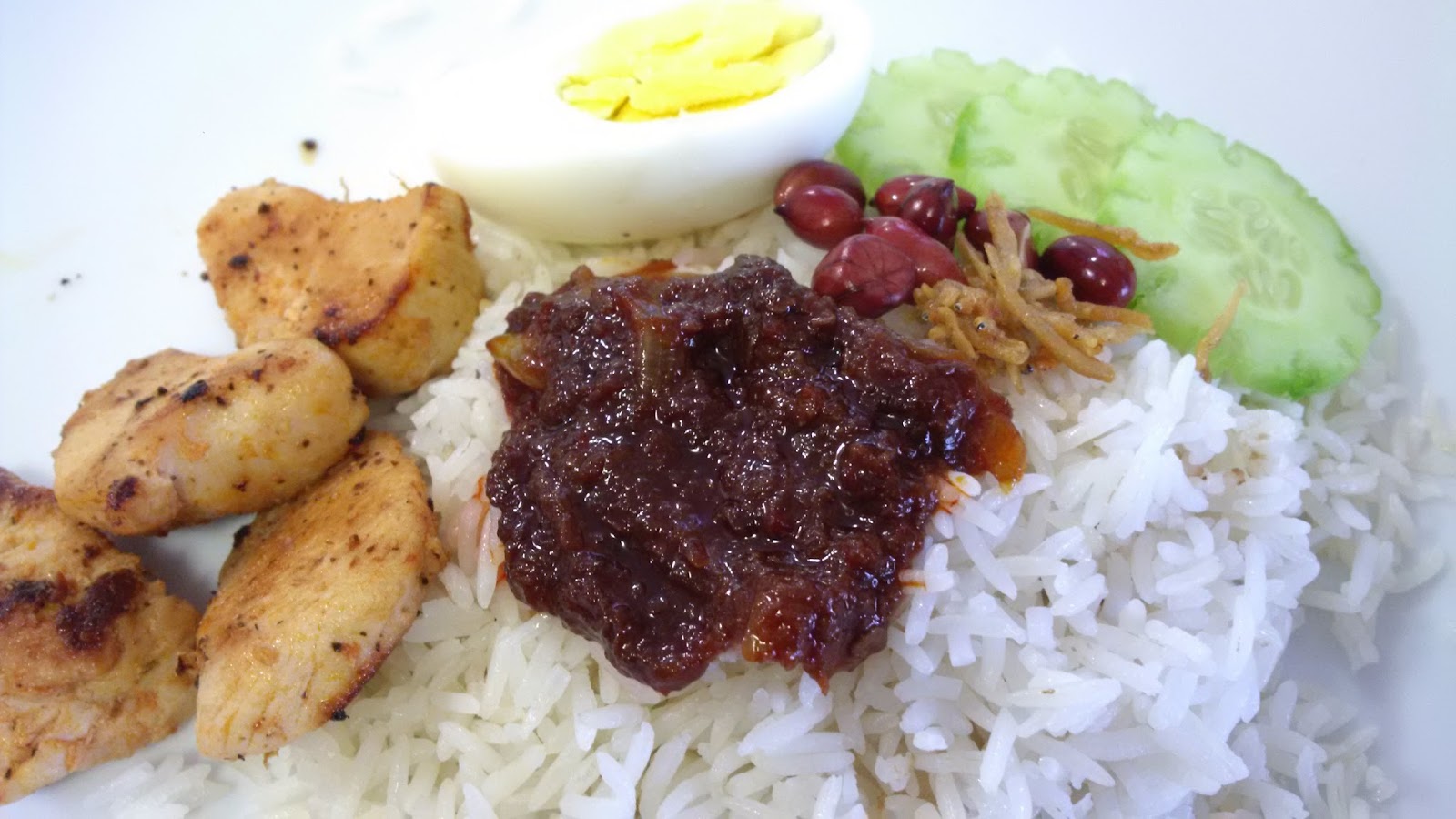
The most consumed breakfast cuisine in Malaysia is not only famous and popular in Malaysia but in Singapore, Brunei and parts of Indonesia and Thailand as well. In Malaysia, this rice coconut milk fragrant rice cuisine is found in every coffee shop imaginable, especially in the mornings. And the most wonderful thing about Nasi Lemak, as it is popularly called, is nobody gets bored with it. We can be eating this fragrant rice everyday and never gets bored with it.

Famous Nasi Lemak
I remember my military days, I would be eating Nasi Lemak every morning in the mess hall but of cause with different side dishes. One day would be curry chicken or beef and the next could be with rendang or sometimes just plain with boiled eggs and sambal anchovies. There will be occasions when we just ate Nasi Lemak with a piece of fried fish. No matter how or what it is combined with, Nasi Lemak always taste good with spicy curry gravy or sambal.

Authentic Nasi Lemak Cuisine
Nasi Lemak is a fairly simple cuisine to prepare and cook. In fact there are all kinds of recipe online. Other than rice, all that are needed would be screw pine leaves, ginger, onions and coconut milk. As for the side dishes, a simple add on would be boiled or fried eggs, slice cucumbers, fried ground nuts, fried anchovies and sambal. More elaborate side dishes would include rendang beef, chicken curry, fried chicken or simply fried fish.

Friday, August 26, 2016

Another Famous Penang Noodle Cuisine

Penang Hokkien Noodle
We cooked the Famous Penang Prawn Noodle for dinner last night. With the intention of freeing up some space in the freezer of the collection of shrimp skin that were taking up some needed space for some new items, my wife decided to cook the Penang Prawn Noodle again. We usually used up to about six hundred grams of prawn skins to cook the shrimp flavoured broth for the Penang Prawn Noodle cuisine. This noodle cuisine was made famous and popular in Penang by the Penang Hokkien clan.

The Famous Penang Hokkien Noodle
Although, there are Penang Hokkien Noodle paste available from the Asian grocery stores, I still prefer to cook my own Penang Hokkien Noodle from scratch. Basically, we boil the shrimp skins in a pot of water for several hours. After that remove the shrimp skins from the broth using a ladle. Once all the shrimp skins are removed, continue to boil the broth with some pork ribs for another hour on slow heat. Before turning off the heat or serve, add three spoons of belacan, two spoons of grounded dried chilli powder, three spoons of dried shrimps, a few pinch of salt for taste, three spoons of fried shallots, and three spoons of brown sugar.

Another Famous Penang Noodle Cuisine
Once the shrimp broth is ready, allow it to continue boiling on slow heat. Prepare the noodle, bean sprouts, slice eggs, slice pork, a few shrimps, slices of char siew yok, and water spinach in a serving bowl. Using a ladle, scoop about five ladle full of soup onto the noodle in the serving bowl. Also, scoop up the pork ribs into the bowl with the soup as well. Then, garnish with fried shallots, prawn sambal and half a spoon of fried lard.

Tuesday, August 23, 2016

Hainanese Chicken Cuisine with Sesame Seed Sauce

Home Cooked Chicken Rice
Just had Hainanese Chicken Rice a couple of days ago with some friends in Richmond and I am already thinking of cooking my own version of chicken rice and the boiled chicken with sesame seed oil. So, I did just that for dinner yesterday. Took a dozen chicken drumstick out from the freezer in the afternoon to thaw. When I got home in the evening, the chicken drumsticks were ready to be cooked. Nowadays, cooking the chicken rice is easy. Just use any of the Hainanese chicken rice mix available in the asian supermarkets.

Hainanese Chicken Rice
Therefore, I will focus on the Hainanese Chicken cusines. Start with boiling a pot of water and then throw in the chicken drumsticks once the water is boiling. Leave the drumsticks in the boiling water for about five minutes and then transfer the drumsticks into a pot of cold water. Let the drumsticks cool down in the cold water for about five minutes. Then, reintroduce them into the hot water again. This process will allow the gluten to form or granulate underneath the skin. This is a trick I learned from my mum to make the chicken meat taste better. After two minutes in the hot water, transfer them into a serving plate.

Boiled Chicken Drumsticks with Sesame Seed Sauce
A proper chicken rice will not be complete without the chilli sauce and the sesame seed sauce. The chilli sauce is a mixture of garlic paste, chilli paste, sesame seed oil, salt, lemon juice (or vinegar) and chicken stock. Many chicken rice vendors would not share this chilli sauce recipe and will only hand down from one generation to the next. The sesame seed sauce is the gravy used to flavour the boiled chicken meat when serving. It is a mix of sesame seed oil, dark soy sauce, light soy sauce, chicken broth and salt.

Friday, August 19, 2016

The Famous Malay Curry Puff

Curry Puffs
The Malay Curry Puff is popular throughout Malaysia and Singapore. Evolved from a simple tea time or breakfast snack to becoming a signature delicacy served as dessert among cakes and puddings. Curry puffs can be found in different occasions and celebrations in Malaysia. There are even business establishments that became known for making and cooking the best curry puffs. The curry puffs have become a commercialized item. That is how popular this snack food has become.

Home Cooked Curry Puffs
At home, the curry puff is just another common Malaysian cake or kuih as we call it. My wife and kids often when they have some spare time, gather in the kitchen to make the curry puffs. I would usually prepare the fillings for the curry puff which is mostly potatoes. Sometimes, we even switch to sardine. But still, potatoes remained the main component in the curry puff fillings. My kids would usually help their mum knead the dough for the curry puffs and then hand craft the curry puffs.

Freshly Fried Curry Puffs
It is fun when the family prepare and cook together. Not only do the kids learn a skill but the togetherness helps in building bonds. We will involve our kids in the kitchen as much as time permits and when chores are done. This time, we made about three dozens of curry puffs and took them with us for a picnic with friends. The curry puffs were all gone within minutes when we served them. Most people would not be satisfied with just one piece but can eat as much as three on the average.

Sunday, August 14, 2016

Hot Spicy Sambal Petai

Sambal Petai with Anchovies
Petai or famously known as the bitter bean is one of the most favoured bean in South East Asian cooking. There are a variety of recipes that require this authentic bean but its taste is one which has to be acquired to like. Even after consuming the bitter nut, the taste, flavour and smell lingers on for a few hours. When cooking the petai, the smell of petai lingers in the kitchen and anywhere closes to the kitchen for hours. The better the petai, and the tastier of the petai, the stronger the smell. And for those who don't like the smell of petai, that is not the end.

Sambal Petai
The smell of the bitter bean stays in the stool and urine of the person consuming the petai. So, get ready for the smell in the toilets. There is no where to hide the cooking and eating of petai. But in spite of the smell and bitter taste of the bean, Malaysians love eating petai. There are many ways how people eat the petai. Some like it raw. Just peel the bean from the pod and throw it into the mouth. Chew the bitter bean with a spoonful of rice. Simple and fastest way to cook would be with fried anchovies, tamarind juice, chopped cucumbers, chopped onions, and chopped chillies.

Sambal Anchovies with Bitter Beans
I have also grilled the petai pods with the beans still in the pods. And then, peeling the beans off the pods, consuming them like chew gums. Then, there is also sambal udang petai which is another famous Malaysian petai cuisine. My mum would always prepare sambal dried shrimps with petai for me when I was living in Malaysia. Some people like to eat petai with egg plant because they believed that egg plant can absorb the petai odor when eaten together. I found that to be a myth. When I eat petai, everyone around me would know because of the smell. So, let it be known.

Monday, August 8, 2016

The Baba Nyonya Gulai Tumis or Asam Pedas

Authentic Gulai Tumis
This is truly one of the most marvelous cuisines that was created in Penang by the Baba Nyonya clan. Growing up, I used to have this spicy and sourish cuisine every week because it was my dad's favorite dish. Naturally, I grew up learning to appreciate this spicy fish cuisine so much so that it became a must have cuisine, at least once in a week like my dad. My mum and grandma cooked the best gulai tumis and they have handed down the recipe to me and my siblings. There are a few types of fish that are normally used to cook with this particular cuisine. And they are the black pomfret, white pomfret, stingray, asian mackerel (kembong), basa, catfish and sea bass just to name a few.

Salmon Fish Head Gulai Tumis
But in Vancouver, I have tried cooking with the Salmon fish head and it turn out to be really good. In fact, I cooked the gulai tumis, using the same recipe with different types of fish and found that the Salmon fish head to be ideal. The spicy and sourish taste of the cuisine blends well with the tender fish meat. Besides that, the Salmon fish head is usually sold at a much cheaper price that the whole fish itself. And, when boiled in the gulai tumis gravy, the fish meat on the Salmon fish head peels off from the bones easily into the mouth. I could get  a lot more meat from the fish head cooking this way than frying.

Baba Nyonya Gulai Tumis
My recipe for gulai tumis is really simple. The important ingredient in a good bowl of gulai tumis is in the tamarind juice. Only fresh tamarind paste or pulp will do. I start with blending shallots (five bulbs), lemon grass (two spoons of the grated type), garlic (one clove), dried chillies (five pieces), ginger (one inch), and turmeric (one spoon of the powdered). Once the blended paste is ready, set a side. In a cooking pot, pour five spoons of cooking oil and add the blended paste. Allow to simmer and throw in some laksa leaves to simmer together.

Salmon Gulai Tumis
Once the aroma fills the room, add two cups of thick tamarind juice. Add salt for taste and half a spoon of sugar. Make sure to stir the gravy well and bring to boil. Add two more cups of lighter tamarind juice and stir again. Immediately, add fish or fish head. Once it is boiled, turn the fish over and add okra, then turn off the heat after two minutes. Allow the lid of the pot to remain closed for several minutes before serving. This similar cuisine is also called Asam Pedas in places outside Penang in Malaysia. So, it is a popular spicy and sourish fish cuisine in Malaysia.

Sunday, August 7, 2016

Home cooked the famous Petaling Street Tai Lok Mean

The Famous Petaling Street Big Fat Noodle
We had the famous Petaling Street Tai Lok Mean for dinner yesterday. My wife prepared the ingredients and the thick shanghai noodle for me to fry this famous noodle cuisine after I came home from work. So, instead of going out for dinner, we cooked and ate dinner at home. The Petaling Street Tai Lok Mean was made famous by the three brothers that started their noodle cuisine business in the heart of Kuala Lumpur's Chinatown way back in the early seventies. I frequented the this noodle coffee shop at the corner of Petaling Street, that was where it got its name from, a lot during the mid-eighties with my Air Force buddies.

Tai Lok Mean Petaling Street Special
Every time we ate there, I would watch how they fry the noodle cuisine because their kitchen was open and anyone can watch how the cooking was done. In fact, most of the street side noodle vendors or hawkers, as they are called in Malaysia, would actually cook in the open. And it is not difficult to learn how the cooking was done and what kind of ingredients were put into the noodle cuisines. Especially, for people like me that learn pretty fast from watching others. Then, I would try a couple of times, if I still done get it right, I will go back again to watch and learn more, maybe I have missed certain ingredients or missed out on a step.

Famous Petaling Street Noodle
So, throughout the years of observing and watching these real life master chefs, I have learn a lot. And some of these noodle cuisines are actually kind of simple to cook when you actually learned them. The Petaling Street Tai Lok Mean is an example of a simple noodle cuisine to cook. Many cooks over do the process and make it complex by adding too many ingredients. Of cause there are also different recipes in the Tai Lok Mean cuisine. But I still prefer the Petaling Street Tai Lok Mean recipe. Simple, authentic and flavourful.

Friday, August 5, 2016

The Authentic Rendang Chicken Cuisine

Rendang Chicken
Rendang chicken is one of the signature spicy curry cuisine of Malaysian cuisines. Just like many of my fellow Malaysian friends, we love the rendang cuisine. I have learned a simple method in preparing this signature cuisine. First, head to the nearest Asian grocery store and grab a pack of rendang paste from chilliz. This is the only rendang paste I would use at this time because I have been using paste and sauces from this particular brand and they are pretty easy to follow. And importantly, the paste is also authentically Malaysian.

Authentic Malaysian Chicken Rendang
So, anyone who loves rendang can now cook up the best authentic Malaysian rendang. All you have to do is make sure you have a pack of unsweetened coconut flakes (fine), a canned of coconut milk, one kilogram of chicken, one kilogram of potatoes and the chilliz rendang paste. Clean and boil the chicken before cooking the rendang. This way, all the smell of the chicken and blood that ooze out from the bones can be removed and cleared. Pour about five spoons of cooking oil into a cooking pot and drop the rendang paste into the cooking oil.

Delicious and Spicy Rendang
Simmer the paste a little and transfer the cooked chicken into the pot. And pour the canned of coconut milk into the pot. Stir until the paste is evenly colored with the coconut milk. Put in the potatoes and allow to boil for about fifteen minutes and then, drop in the unsweetened coconut flakes. Stir and mix every thing evenly until the coconut flakes are all warped around the chicken meat, forming a thick coat of paste. Once the gravy thickens, stop the heat on the stove and transfer to the serving plate.

Thursday, August 4, 2016

Authentic Roti Jala and Curry Chicken

Malaysian Roti Jala
Roti Jala is a type of pancake that originated from the South of Peninsular Malaysia. Although, commonly known as bread (roti means bread in the Malay language), roti jala is more of a pancake than bread. But this pancake has lots of holes in it. The pancake looks like a broken piece of cloth or paper. Thus, the name jala which means net. Therefore, it is a type of pancake that looks like a fishing net. The roti jala is usually eaten with chicken or beef curry. I like mine kind off soaked with curry gravy.

Curry Chicken for Roti Jala
Yesterday evening, my spouse decided to cook curry chicken and roti jala for dinner. The roti jala batter is a mixture of water (two cups), multipurpose flour (six spoons), an egg, pinch of salt for taste and half spoon of turmeric powder. Once the batter is ready, fill it into a squeeze bottle (use a disposable water bottle with the cap drilled with three small holes). Make sure the batter is liquid enough to actually squat out from the holes on the cap when the bottle is being squeezed. In fact, that is how the roti jala is cooked, squeezing the batter out from the bottle onto a frying pan.

Favorite Malaysian Pancake
Once the pancake turns solid and brownish on the edges, turn it over and after a few seconds, fold the pancake or roll the pancake. This roti jala is best eaten with curry gravy. For an adult male, usually a person can eat up to about five pieces of the roti jala with a bowl of curry to dip it in. Roti jala is an authentic Southern Malaysian cuisine which is a traditional Malay cuisine found mostly in the state of Johor. Johorians would probably be more familiar with this pancake than other Malaysians.

Wednesday, August 3, 2016

The Famous Penang Char Keow Teow on the go

Penang Char Keow Teow
In the afternoon on the weekend, I was invited by a friend to fry Penang Char Keow Teow in his backyard. He had prepared all the necessary ingredients as I have earlier requested. I only have to arrive with my frying wok, the homemade Char Keow Teow sauce, my preferred chilli paste, and the Keow Teow (flat rice stick). So, I arrived ready to start frying the famous Penang fried noodle cuisine. And it was a perfect day for an outdoor outing like this. The weather was great to start with. There were just about a dozen people in the get together which was a small crowd considering the crowd we normally have in our outdoor outings. More like three families getting together. Also, that was the first time I have been invited to a friend's place to do this. The outing was relaxing and I did not have to do too much.

Freshly Fried Char Keow Teow
In total, I fried about twelve plates of the famous Penang Char Keow Teow in approximately thirty five minutes and was able to enjoy the rest of the afternoon chatting and trying out the other Penang cuisines that were prepared by the other friends. Like always, when we have Penang Char Keow Teow, that noodle cuisine was the main attraction. That gathering was the first Char Keow Teow outing in August and it won't be long before cold weather sets in and no more outdoor activity until next summer. So, we tried to make the most of the outing and enjoy as much of the outdoor as possible.

Kuih Kochee
We also have other popular Penang delights that were prepared by the friends that hosted the event. There were Kuih Kochee, Curry Chicken, Malaysian prawn crackers from Trengganu, Malaysian fish crackers and fruits. The weather although was nice and sunny but it soon became really warm and unbearable by two o'clock. By then,  we decided to move indoor after the Char Keow Teow to continue with the other cuisines inside the house.

Wednesday, July 27, 2016

Pulut Inti the Glutinous Rice Pudding with Palm Sugar and Shredded Coconut

A Traditional Rice Pudding
A few days ago one of our friends give us a dessert that I have not seen or tasted in a very long time. I was thrilled when my wife brought them home after her chance meeting with this friend. In Penang, this dessert is commonly found at food carts that sells Baba Nyonya cakes, fritters, puffs and all kinds of local delicacies. This is a popular item that is actually easy to cook. But the process may require slightly longer as the main component is glutinous rice. The glutinous must first be soaked for several hours to allow the glutinous rice to absorb water.

Pulut Inti
Therefore, when steamed the glutinous rice becomes soft and fluffy. My grandmother used to make this glutinous rice pudding for breakfast every so often. I have nearly forgotten about this particular glutinous rice pudding until just a few days ago. I remember, when cooking (steaming) the glutinous rice several of the ingredients used were the same to cooking the fragrant coconut milk rice (nasi lemak). There were screw pine leaves, coconut milk and water added into the pot with the glutinous rice when steaming. The palm sugar and shredded coconut flakes were separately prepared then garnished on top of the glutinous rice.

Traditional Pulut Inti
Basically, Inti means stuffing in Malay but this stuffing is not placed in the wrap in between two layers of glutinous rice just like sushi. But rather, it is applied on the top of the rice pudding to give it a flavourful sweet taste of coconut palm. This sugary liquid and coconut flakes paste were just a mixture of some liquified palm sugar to coconut flakes. The coconut flakes has to be the very fine ones.